Welcome To Growing Stronger With Age!
The Growing Stronger with Age mission is wellness inspiration to help you feel your best at every stage of life.

Welcome To Our Blog!

How to Improve Your Balance and Flexibility After 50: Simple Ways to Stay Active and Confident
Getting older does not mean you have to give up your flexibility, balance, or freedom of movement. In fact, your 50s and beyond can be an excellent time to focus on improving how you move, feel, and function every day.
Have you ever noticed that getting up from a chair feels a little harder than it used to? Perhaps bending down to tie your shoes takes more effort, or you feel less steady when walking on uneven ground. These changes can happen gradually with age, especially when we spend long periods sitting or become less physically active.
The good news is that balance and flexibility can improve at any age with regular practice, the right exercises, and a little patience.
Whether you are already active or just beginning your fitness journey, small changes to your daily routine can help you move more comfortably, feel steadier on your feet, and maintain your independence for years to come.
Let's explore how to get started.
1. Why Balance and Flexibility Matter After 50
Balance and flexibility are two important parts of healthy aging that are often overlooked.
Balance helps you stay steady while standing, walking, turning, and navigating stairs. Good balance can also help reduce your risk of falling.
Flexibility helps your joints move through their comfortable range of motion. It can make everyday activities, such as reaching overhead, putting on shoes, getting dressed, and bending to pick something up, easier to manage.
As we age, muscle strength, joint mobility, vision, and the body's ability to respond to changes in position can affect how confidently we move.
However, these changes do not mean you have to accept feeling stiff or unsteady. Regular movement can help you maintain and improve important physical skills.
The goal is simple: to keep your body moving well so you can continue enjoying the activities that make life rewarding.
2. Start With Simple Balance Exercises
You do not need a gym or expensive equipment to begin improving your balance. Some of the most useful exercises can be performed at home with a sturdy chair or kitchen counter for support.
Here are three exercises to try.
The single-leg stand
This exercise helps challenge your balance and coordination.
- Stand upright beside a sturdy chair or counter.
- Hold the support with one or both hands.
- Slowly lift one foot a few inches off the floor.
- Hold the position for five to ten seconds, if comfortable.
- Lower your foot and repeat on the other side.
Begin with a short hold and gradually work toward longer periods as your balance improves.
Keep your eyes open and your support within reach. There is no need to let go of the chair to make the exercise more challenging.
Heel-to-toe walking
This exercise challenges your ability to maintain balance while moving.
- Stand near a wall or sturdy counter.
- Place one foot directly in front of the other, with the heel of your front foot close to the toes of your back foot.
- Take a few slow steps forward in this manner.
- Keep your eyes looking ahead rather than down at your feet.
Start with just a few steps. Use the counter for support whenever needed.
Sit-to-stand exercises
Getting up from a chair is something most of us do several times a day. Practicing this movement can help strengthen your legs and improve your ability to move safely.
- Sit near the front of a sturdy chair with your feet flat on the floor.
- Lean forward slightly from your hips.
- Push through your feet and stand up slowly.
- Sit back down with control.
Use your hands for assistance if needed. Begin with five repetitions and increase gradually as you become stronger.
Try to practice regularly rather than doing a long session once in a while. Even five to ten minutes of focused practice can be a useful starting point, especially when combined with other physical activity.
The Best Hobbies for People Over 50: Discover New Passions and Enjoy Life to the Fullest
Turning 50 is not the end of an adventure. In many ways, it is the beginning of an exciting new chapter! With more life experience, a better understanding of what makes you happy, and perhaps a little more time to yourself, this can be the perfect age to explore new interests, rediscover old passions, and enjoy the things that bring you joy.
Whether you are recently retired, approaching retirement, working full-time, or simply looking for something new to do, finding a hobby can add fun, purpose, and excitement to everyday life.
The good news? You are never too old to learn something new.
Here are some wonderful hobbies for people over 50 that can help you stay active, meet new people, express your creativity, and make the most of this stage of life.
1. Gardening: Grow Something Beautiful
Gardening is a fantastic hobby for people over 50. Whether you have a large backyard, a small patio, or just a sunny windowsill, you can enjoy growing flowers, herbs, vegetables, or houseplants.
There is something deeply satisfying about planting a seed and watching it grow. Gardening encourages you to spend time outdoors, connect with nature, and enjoy the simple pleasure of nurturing something.
Why you'll love it:
- It offers gentle physical activity.
- It provides a relaxing escape from daily stress.
- You can grow fresh herbs and vegetables.
- It gives you a sense of achievement as your plants flourish.
You don't need to be an expert to get started. Begin with a few easy-to-grow plants and see where your new passion takes you.
2. Walking and Hiking: Enjoy the Great Outdoors
Walking is one of the easiest and most affordable hobbies to begin at any age. It requires very little equipment and can fit into almost any schedule.
You might enjoy a morning stroll around your neighborhood, a walk through a local park, or a scenic nature trail at the weekend. If you prefer company, consider joining a walking group and making new friends along the way.
Walking can support cardiovascular health, improve mood, and help you maintain mobility.
Start at a comfortable pace, wear supportive footwear, and gradually increase your distance as your fitness allows.
3. Photography: Capture the Beauty Around You
Have you ever noticed a beautiful sunset, an interesting building, or a colorful garden and wished you could capture the moment?
Photography is a wonderful creative hobby that encourages you to look at the world differently. You don't need an expensive camera, either. A smartphone is more than enough to get started.
Try photographing nature, local landmarks, family gatherings, pets, or everyday moments that make you smile.
As your skills develop, you can experiment with lighting, composition, editing, and different photography styles.
You may even discover a talent you never knew you had!
4. Cooking and Baking: Make Every Meal an Experience
If you enjoy good food, cooking and baking can turn an everyday activity into an enjoyable hobby.
Perhaps you would like to master homemade bread, experiment with international recipes, learn to make delicious desserts, or recreate dishes from your childhood.
Cooking can also be a wonderful social activity. Invite friends over for dinner, bake treats for family members, or organize a regular lunch with people you care about.
You could even explore a new cuisine each month and create your own collection of favorite recipes.
The best part? You get to enjoy the results of your hard work.
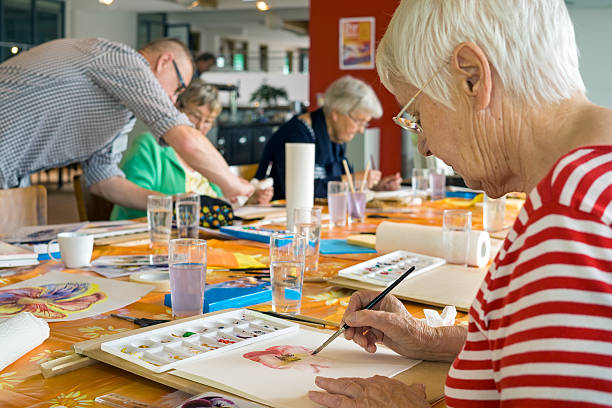
5. Painting, Drawing, and Crafts: Unleash Your Creativity
You don't need to be naturally artistic to enjoy creative hobbies. Painting, sketching, knitting, crocheting, pottery, sewing, and other crafts offer opportunities to learn new skills and express yourself.
Creative activities can be relaxing and rewarding, especially when you focus on the process rather than trying to create something perfect.
Consider starting with a beginner's painting kit, an online drawing class, or a simple knitting project.
You might make handmade gifts for loved ones, decorate your home with your own creations, or eventually sell your work at local craft fairs.
Remember, creativity has no age limit.
6. Learning a Musical Instrument: It's Never Too Late
Have you always wanted to play the piano, guitar, ukulele, or another musical instrument?
Now could be the perfect time to begin.
Learning music challenges your brain, encourages patience, and gives you something exciting to practice. You can take lessons with a teacher, join a community music group, or use online tutorials to learn at home.
Start with a few minutes of practice each day. Progress may be gradual, but every new chord or melody is a reason to celebrate.
And who knows? You might one day be playing your favorite songs for family and friends.
7. Reading and Joining a Book Club
Reading is an excellent hobby for people who enjoy exploring new ideas, discovering different worlds, or simply relaxing with a good story.
You can choose from novels, biographies, history, travel writing, mysteries, personal development, or any subject that interests you.
If you would like to make reading more social, consider joining a book club at your local library or community center.
Book clubs give you the opportunity to discuss stories, exchange opinions, and connect with people who share your interests.
If holding a book for long periods is uncomfortable, audiobooks are another great option.
8. Traveling and Exploring New Places
Travel doesn't have to mean expensive international holidays or long journeys.
You can discover new places close to home by visiting historic towns, museums, gardens, coastal villages, local attractions, or nearby national and state parks.
If you enjoy planning, create a list of places you would love to visit and start working through it at your own pace.
You might prefer traveling with a partner, joining an organized group tour, or taking occasional solo day trips.
Travel offers opportunities to learn, experience different cultures, meet people, and create lasting memories.
Sometimes the most rewarding adventures are closer than you think.
9. Volunteering: Make a Difference in Your Community
A hobby doesn't always have to be about personal enjoyment. It can also be about helping others.
Volunteering allows you to share your skills, meet people, and contribute to causes that matter to you.
You could volunteer at an animal shelter, help at a food bank, support a local charity, mentor younger people, or assist with activities at a community center.
Many organizations welcome volunteers with different levels of experience and availability.
Giving your time to a meaningful cause can bring a renewed sense of purpose and help you feel more connected to your community.
10. Dancing: Have Fun While Staying Active
Dancing combines music, movement, and enjoyment in one activity.
You could try ballroom dancing, line dancing, salsa, tap, or a beginner-friendly dance fitness class. Many community centers and dance studios offer classes for adults of all experience levels.
Dancing can improve coordination, balance, and fitness while providing an opportunity to socialize.
Don't worry if you have two left feet. Everyone starts somewhere, and the goal is to have fun rather than perform perfectly.
Put on your favorite music at home and dance around the living room if that feels more comfortable.
11. Learning Something New Online
The internet has made it easier than ever to explore new interests from the comfort of home.
You can learn a language, study history, develop computer skills, explore creative writing, take a photography course, or discover subjects you never had time to study before.
Websites such as YouTube, Coursera, and other online learning platforms offer resources for beginners and experienced learners alike.
Learning something new can provide mental stimulation and give you a rewarding goal to work toward.
Choose a topic that genuinely interests you, rather than something you feel you should learn. Enjoyment is what makes a hobby sustainable.
12. Birdwatching: Find Joy in the Little Things
Birdwatching is a peaceful and inexpensive hobby that encourages you to slow down and appreciate the natural world.
You can begin in your garden, on your balcony, at a local park, or along a nature trail.
All you really need is curiosity. A pair of binoculars and a bird identification app or guidebook can help you learn more as you go.
Try keeping a notebook of the birds you spot and the places where you see them.
Birdwatching can turn an ordinary morning walk into a fascinating adventure, helping you notice details you might otherwise overlook.
13. Writing: Tell Your Story
Everyone has a story to tell, and the experiences you have gathered over the years can provide wonderful material for writing.
You might start a personal journal, write short stories, create poetry, begin a blog, or record memories for your family.
You don't have to be a professional writer. Simply putting your thoughts and experiences into words can be meaningful.
Perhaps you have family stories worth preserving, lessons you would like to share, or a subject you feel passionate about.
You may even discover that writing becomes one of the most enjoyable parts of your day.
14. Puzzles, Chess, and Board Games
If you enjoy a mental challenge, consider jigsaw puzzles, crosswords, Sudoku, chess, or strategy-based board games.
These activities provide entertainment and encourage problem-solving, concentration, and logical thinking.
You can enjoy them alone or turn them into a social pastime by organizing a regular game night with friends and family.
There are also online communities where you can play games with people from different places.
Whether you prefer a quiet afternoon with a puzzle or a lively evening of friendly competition, there is an option to suit you.
15. Swimming, Yoga, and Tai Chi
If you want a hobby that combines movement with relaxation, swimming, yoga, and tai chi are worth exploring.
Swimming provides low-impact exercise, while suitable yoga and tai chi classes can help develop flexibility, balance, body awareness, and relaxation.
Look for beginner-friendly classes designed for different abilities. Chair yoga and gentle water exercise may be good alternatives if traditional classes feel too demanding.
If you have health concerns or mobility limitations, ask a healthcare professional which activities are appropriate for you.
The goal is to find a form of movement that feels enjoyable, comfortable, and sustainable.
How to Choose the Right Hobby After 50
With so many possibilities, how do you decide where to begin?
Start by asking yourself a few simple questions:
- What have I always wanted to try? Think about interests you may have put aside because of work, family responsibilities, or lack of time.
- Do I prefer being alone or with others? Some hobbies offer quiet relaxation, while others provide opportunities to meet new people.
- Do I want to be more active? Walking, swimming, dancing, and gardening can help you incorporate movement into your routine.
- What fits my budget? Reading, walking, journaling, and birdwatching can be inexpensive ways to get started.
- How much time do I have? Choose something that fits comfortably into your life without becoming another obligation.
Most importantly, give yourself permission to experiment. You don't need to commit to a hobby for the rest of your life. Try something, see how it feels, and move on if it isn't right for you.
The Benefits of Having a Hobby After 50
Hobbies offer much more than a way to fill spare time. They can become an important part of a happy, balanced lifestyle.
They provide enjoyment and purpose. Having something to look forward to can make ordinary days feel more rewarding.
They encourage social connections. Clubs, classes, and group activities can help you build friendships and strengthen existing relationships.
They support lifelong learning. Trying unfamiliar activities gives you opportunities to develop skills and challenge yourself.
They can support your well-being. Enjoyable activities can help you relax, manage everyday stress, and maintain a sense of balance.
They help you discover new sides of yourself. You may uncover interests and abilities that remained hidden during your busier years.
Of course, no single hobby guarantees better health or happiness. The greatest benefit often comes from choosing activities that bring you genuine enjoyment and fit your individual needs.
Final Thoughts: Your Next Chapter Starts Now
Life after 50 can be an exciting opportunity to rediscover yourself. You may have spent years caring for others, building a career, raising a family, or meeting countless responsibilities. Now is a wonderful time to make room for the things that make you happy.
You don't need to spend a fortune, travel around the world, or become an expert at something new. Start small. Plant a few flowers, pick up a paintbrush, join a walking group, learn a new recipe, or open a book you've been meaning to read.
The important thing is to begin.
Your age does not define what you can learn, create, experience, or enjoy. There are still new friendships to make, skills to develop, places to discover, and passions waiting to be explored.
Remember: you're never too old to try something new, and the best time to start a hobby you've always wanted to enjoy is today.